
Paris may be world-famous for its Eiffel Tower, the Louvre, and its wide Haussmann boulevards, but the city’s magic lies just as much in its secrets as in its icons. Wander a little further from the tourist trail and you’ll find pastel-painted streets, abandoned railway lines turned into gardens, quirky museums, and panoramic parks where locals picnic at sunset. These places are not only beautiful but also authentic slices of Parisian life – spots where you can slow down, soak up the atmosphere, and feel like you’re part of the city rather than just passing through. Whether you’re traveling on a budget, indulging in luxury, seeking family-friendly spots, or chasing adventure, these hidden gems will add something special to your Paris journey.
1. Rue Crémieux
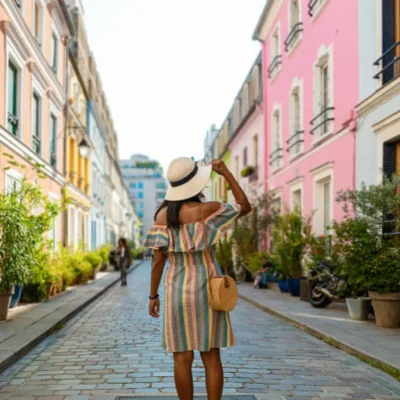
Rue Crémieux is one of Paris’s most photogenic streets, but it’s far more than just a backdrop for Instagram. Lined with pastel-painted houses in shades of lavender, sky blue, and lemon yellow, the cobblestone lane has a cheerful village-like feel that makes you forget you’re in the busy 12th arrondissement. Flower pots spill over with greenery, murals decorate some façades, and the atmosphere is calm and intimate compared to the city’s bustling boulevards. Locals still live here, so it has an authenticity that makes it especially charming.
How to get there: Take Metro Line 1 or 14 to Gare de Lyon; it’s just a five-minute walk.
Best time to visit: Early morning for photography, or late afternoon when the golden sunlight warms the pastel tones.
Pro tip: Respect the residents—keep voices low and don’t block doorways for photos. Instead of rushing, look closely at the hand-painted details that make each house unique.

2. Musée de la Chasse et de la Nature (Museum of Hunting and Nature)
Paris is known for its grand museums, but this hidden gem in the Marais is unlike anything else. The Musée de la Chasse et de la Nature blends taxidermy, fine art, and contemporary installations into a surreal exploration of humanity’s relationship with animals. Imagine Renaissance paintings hanging beside mounted antlers, or whimsical rooms where owls seem to be watching you from every corner. The museum is playful, thought-provoking, and even a little eerie, making it a favorite among those who crave something beyond traditional art collections.
How to get there: Metro Line 1 to Saint-Paul, then a 10-minute walk into the Marais.
Best time to visit: Weekday afternoons to avoid crowds.
Pro tip: Don’t miss the interactive rooms on the upper floors—kids love the surprises, and adults will find them delightfully strange.
3. La Petite Ceinture
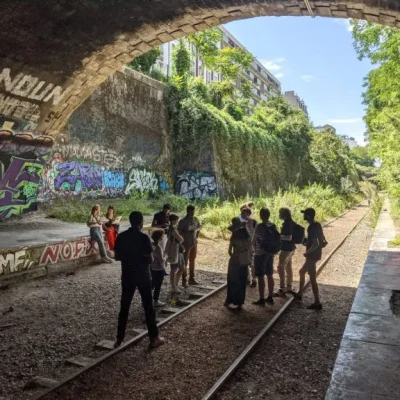
Once a railway line circling Paris in the 19th century, La Petite Ceinture has been transformed into a hidden green walkway. Overgrown with wildflowers and graffiti-covered walls, it’s part urban jungle, part open-air art gallery. Walking here feels like stepping into a forgotten world, where nature is slowly reclaiming man-made space. Birds chirp, wild plants bloom, and street artists leave their marks on old stone bridges. It’s a favorite escape for locals who want fresh air without leaving the city.
How to get there: Access points exist in the 12th, 13th, 15th, and 20th arrondissements. The section near Porte de Clignancourt is one of the most accessible.
Best time to visit: Spring and summer for wildflowers and greenery.
Pro tip: Bring sturdy shoes—the terrain is uneven—and a camera to capture the raw mix of nature and urban decay.
4. Albert Kahn Musée & Jardins
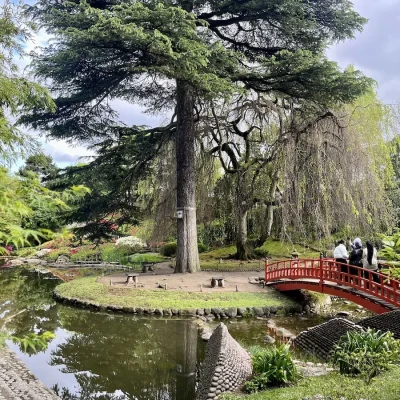
A short ride beyond central Paris, the Albert Kahn Gardens are a tranquil escape into a world of cultural landscapes. Created by banker and philanthropist Albert Kahn in the early 20th century, the site combines gardens styled after Japanese, French, and English traditions. Cherry blossoms arch over wooden bridges, manicured French lawns stretch wide, and English-style meadows feel like countryside brought to the city. The museum adds another layer, showcasing Kahn’s vision of world peace through photography and film. It’s an enchanting retreat that feels like multiple countries rolled into one peaceful sanctuary.
How to get there: Take Metro Line 10 to Boulogne–Pont de Saint-Cloud.
Best time to visit: Spring for blossoms or autumn for vibrant foliage.
Pro tip: Pack a picnic—few tourists make it here, so it’s a quiet spot to relax.
5. Parc des Buttes-Chaumont
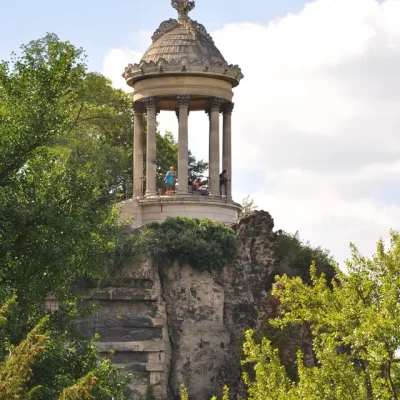
Parc des Buttes-Chaumont is one of Paris’s largest and most dramatic parks. Built on the site of a former quarry, it’s full of surprises: a man-made waterfall, steep cliffs, grottoes, and even a suspension bridge designed by Gustave Eiffel himself. The crowning jewel is the Temple de la Sibylle, perched high on a rocky island overlooking the lake. From here, you get postcard-perfect views of Montmartre, especially magical at sunset. The park has a romantic, slightly wild feel—perfect for couples, families, or anyone craving green space in the city.
How to get there: Metro Line 7bis to Buttes-Chaumont or Line 11 to Pyrénées.
Best time to visit: Spring afternoons or summer evenings, when locals gather for picnics.
Pro tip: Pick up cheese, wine, and a baguette from a nearby market for a Parisian-style picnic with panoramic views.
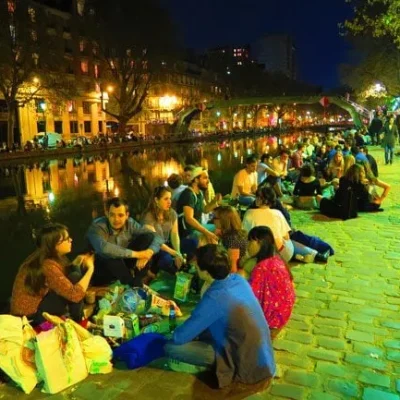
6. Canal Saint-Martin
Trendy yet laid-back, Canal Saint-Martin is where locals escape for leisurely afternoons. The tree-lined canal stretches through the 10th arrondissement, where iron footbridges cross the water and houseboats bob gently at the banks. Alongside, cafés buzz with chatter, vintage shops display quirky finds, and street musicians play for small crowds. Unlike the busy Seine, this area feels casual and bohemian. Families bring children to play by the water, young Parisians sip wine on the canal edges, and couples stroll lazily along. It’s an authentic slice of everyday Paris.
How to get there: Metro Line 5 to Jacques Bonsergent or Line 3 to République.
Best time to visit: Late afternoon or evening, when the area comes alive.
Pro tip: Join the locals with a bottle of wine and a few snacks for an impromptu riverside picnic.
7. The Covered Passages (Les Passages Couverts)
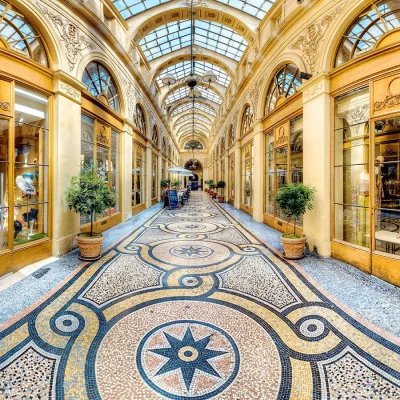
Hidden behind ordinary doors near the Grands Boulevards are Paris’s covered passages—19th-century arcades that feel like stepping back in time. Passage des Panoramas is the oldest, filled with stamp collectors’ shops and old-world cafés, while Galerie Vivienne charms with mosaic floors, elegant bookshops, and high-end boutiques. These passages were once the shopping malls of Paris, and they retain a nostalgic charm today. The glass roofs let in soft daylight, creating a cozy atmosphere perfect for wandering, window-shopping, or simply escaping the rain.
How to get there: Metro Line 3 to Bourse or Line 8 to Grands Boulevards.
Best time to visit: Rainy days—they’re atmospheric, dry, and less crowded.
Pro tip: Bring cash, as many of the small shops and antiquarians don’t accept cards.
8. Parc de Belleville
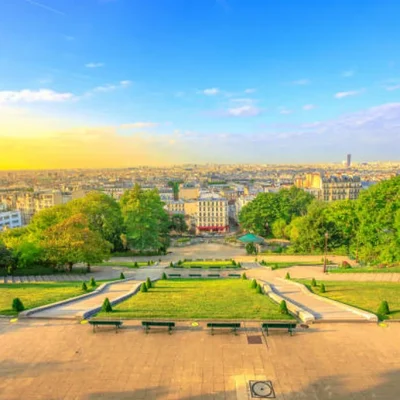
Often overlooked in favor of Montmartre, Parc de Belleville offers equally spectacular views without the tourist crowds. Perched on a hill in the 20th arrondissement, it overlooks the Paris skyline in a sweeping panorama. The park is filled with street art, playgrounds for children, and terraced gardens where locals come to relax. At the top, a large open-air amphitheater makes it a community hub, while the surrounding Belleville neighborhood adds an edgy, artistic vibe.
How to get there: Metro Line 11 to Pyrénées or Couronnes.
Best time to visit: Sunset, when the skyline lights up in soft orange and pink hues.
Pro tip: Bring snacks or a picnic and enjoy the laid-back vibe—it feels like a mini festival on warm evenings.
9. Promenade Plantée (Coulée Verte René-Dumont)
Before New York had the High Line, Paris created the Promenade Plantée—a 4.7-kilometer elevated park built on an old railway viaduct. Stretching from Bastille to the Bois de Vincennes, it winds through gardens, art installations, and shady tree canopies above the city streets. Below, the Viaduc des Arts houses artisan workshops where you can peek in on craftspeople at work. Walking here feels both urban and natural, with ever-changing perspectives of Paris.
How to get there: The main entrance is near Bastille (Metro Lines 1, 5, or 8).
Best time to visit: Mornings for quiet walks or spring for blooming flowers.
Pro tip: Don’t just stick to the elevated path—explore the artisan boutiques underneath for unique souvenirs.
10. Musée de la Vie Romantique
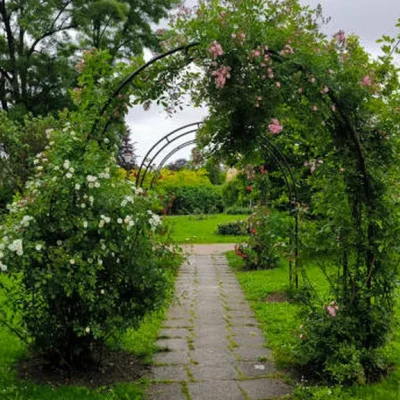
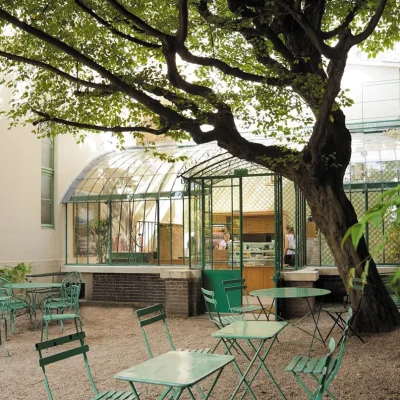
This small museum at the base of Montmartre is a love letter to Paris’s Romantic era. Once home to painter Ary Scheffer, it welcomed writers and artists like George Sand and Chopin. Today, its intimate rooms display portraits, furniture, and personal belongings that bring the 19th-century creative world to life. But the true gem is the garden café—a shaded courtyard with climbing roses and glass conservatories where you can enjoy tea and pastries. Visiting feels like stepping into an artist’s hidden sanctuary.
How to get there: Metro Line 12 to Trinité – d’Estienne d’Orves.
Best time to visit: Spring and summer, when the garden is at its most beautiful.
Pro tip: Entry to the permanent collections is free, making it perfect for budget-conscious travelers exploring Montmartre.
Final Tips for Exploring Paris’s Hidden Gems
-
Packing advice: Bring comfortable walking shoes—many of these gems are off the beaten path with cobblestones and hills.
-
Cultural etiquette: Always start with a polite “Bonjour” when speaking to locals—it makes a big difference.
-
Money-saving hacks: Many small museums and gardens offer free admission on the first Sunday of the month.
-
Special warning: Some areas, like Rue Crémieux, are residential—please respect locals’ privacy.
Which of these Parisian secrets caught your eye the most? Share this with your fellow travelers, save it for your next Paris adventure, and tell us in the comments which hidden gem you’d visit first!